Professional food safety experts located in Brampton ensure food service establishments, commissaries, baking enterprises, warehouses, and mobile food units to sanitation standards. They disinfect high-touch surfaces, food prep surfaces, equipment, floors, drains, restrooms, and preparation zones with certified chemicals, in correct dilution, and with verified times.
Key Takeaways
- Brampton's sanitation experts clean for restaurants, grocery departments, commissaries, warehouses, bakeries, schools, mobile vendors, and allergen-sensitive operations.
- Cross-contamination avoidance is maintained by treating frequently contacted areas, food-contact equipment, kitchens, floors, drains, restrooms, and storage areas with compartmentalized approaches.
- Proper chemical concentration, alignment, and exposure duration are verified by qualified providers, with finalization filed via samples, assessments, and correction logs.
- Danger, production rate, switches, releases, and regulations should inform hygiene calendars, with everyday, recurring, and periodic activities assigned by section.
- Select providers with HACCP, sanitation, competency, safety training, education, insurance, testimonials, color-coded implements, and compliance-ready sanitation records.
Food Safety Cleaning Requirements for Brampton Operations
Brampton establishments that deal with, maintain, prepare, package, or provide food require sanitation protocols. Implement it if your operation is subject to health department oversight, food standards, or HACCP systems. The mandate covers restaurants, cafeterias, commissaries, grocery food departments, butcher shops, seafood counters, convenience stores, and institutional kitchens.
You'll equally need adherent sanitation standards in distribution warehouses, production plants, frozen storage areas, commercial bakeries, educational meal programs, banquet venues, and food delivery services. Mobile and temporary businesses matter as well, like catering trucks, festival vendors, and pop-up food booths. Should your staff work with ingredients, section ready-to-serve foods, heat meals, or keep allergens stored, your establishment requires recorded sanitation procedures. In Brampton, food safety continues to be required; it comprises regulatory, business, and safety adherence.
What Do Brampton Cleaning Experts Clean?
Professional cleaning services specializing in Brampton sanitize touched surfaces, food preparation areas, floors, and restrooms in compliance with food safety regulations. Emphasis on these spaces occurs because they pose maximum contamination danger, injury hazards, and compliance issues.
Understanding their cleaning procedures enables you to validate your facility's cleaning meets operational demands and regulatory compliance.
Cleaning High-Touch Points
determine how periodically each point is cleaned
By swapping cleaning materials, using directional systems, and separating cleaning supplies by section, you ensure a measurable, justified, and ready for inspection disinfection plan.
Cooking Zones, Walking Surfaces, and Restroom Environments
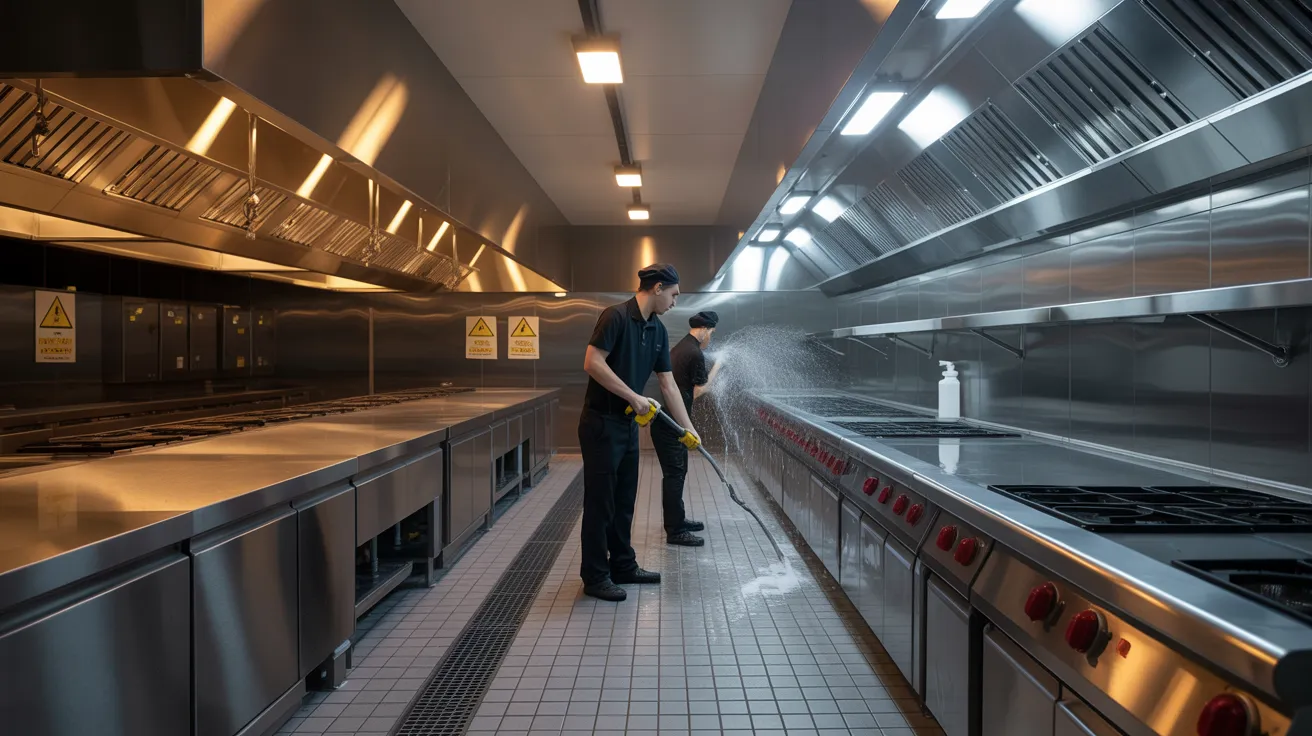
Professional cleaners in Brampton concentrate on kitchens, floors, and restrooms given that each location involves distinct food safety, slip-and-fall, and health code requirements. In industrial kitchens, you need degreasing on cook lines, equipment exteriors, drains, prep surfaces, and splash zones to minimize bacterial growth and pest activity.
Floor care that is recorded should also be anticipated. Technicians clean and remove buildup from tile grout, ceramic surfaces, and vinyl floors, then apply suitable dehydration methods so you can reduce slip incidents and meet regulatory standards. They also handle entryways where moisture and debris migrate indoors.
Restroom sanitation requires decontaminating touchpoints, fixtures, partitions, dispensers, and waste containers, replacing items and managing smells. They also maintain restaurant cleaning supply rooms where product storage, sink cleanliness, and drain systems impact daily sanitation standards and worker protection.
Food Safety Cleaning Significance for Brampton Businesses
Brampton operations demand proper hygiene standards to fulfill health code requirements and pass inspections. You also minimize bacterial spread through proper cleaning of food-preparation surfaces, appliances, and frequently-touched items. Most importantly, you safeguard community wellness by reducing the chance of food poisoning in your establishment.
Regulatory Code Requirements
Since Brampton food companies must follow strict public health standards, your hygiene maintenance directly affects your capability to fulfill health codes, ensure the safety of diners, and eliminate regulatory penalties. You must maintain sanitized food contact points, documented cleaning schedules, safe chemical management, and verifiable staff procedures that align with municipal and provincial inspection expectations.
During inspections of your operation, inspectors check if your hygiene protocols ensures secure product handling, appliance cleanliness, garbage disposal, and facility cleanliness.
Cross-Contamination Prevention
Maintaining health code standards copyrights on your capacity to prevent cross-contamination during everyday food preparation and sanitation. You need to partition uncooked items from finished dishes, sanitize prep surfaces between tasks, and position cleaning agents away from food surfaces. Explicit protocols lower contamination threats and support consistent compliance during inspections.
You should implement allergen segregation to prevent major allergens from touching shared surfaces, containers, or equipment. Employ separate boards, labeled implements, and careful equipment identification so employees avoid combining products during preparation or service. Require handwashing after handling uncooked proteins, shellfish, egg items, or allergen products. Change cleaning rags frequently, and verify sanitizer strength with test strips. When you train staff to follow these controls every shift, you create a cleaner, safer operation that meets Brampton's food safety expectations consistently.
Community Health Safety
Should cleaning standards break, you don't simply risk a failed inspection—you increase the potential of contamination-related sickness impacting customers, staff, and the wider Brampton community. You also undermine your responsibility in protecting public health, especially in busy food facilities where contamination can spread quickly through surfaces, equipment, and touchpoints.
You require cleaning protocols that eliminate soils, sanitize effectively, and confirm results. This involves maintaining contact periods, selecting approved disinfectants, documenting procedures, and educating staff to meet regulatory requirements. These measures prevent illness spread by minimizing pathogens before reaching surfaces or food. Throughout Brampton, effective sanitation safeguards susceptible populations, reduces outbreak risk, and proves accountability. When you adhere to standards, you exceed regulations—you lower hazards and enable safer food service throughout the area.
How Can Cleaning Practices Ensure Food Safety Compliance?
Embracing rigorous cleaning routines underpins food safety compliance by lowering contamination exposure, preventing pathogen multiplication, and positioning your facility in accordance with sanitation requirements under HACCP-based programs and public health regulations. You verify that contact surfaces appear visibly clean and microbiologically controlled, enabling documented preventive controls and inspection readiness.
Cleaning efforts additionally amplify allergen management by eliminating residues that can trigger undeclared allergen exposure.
What's the Ideal Time to Schedule Commercial Cleaning?
maximum production periods, product switches, spillage events
Periodic tasks should be planned separately
What Should You Look For in Brampton Cleaning Experts?
Screen providers initially by their food-safe sanitation requirements—not budget alone. You need to verify that every company meets CFIA, public health, and HACCP standards for your operation. Demand proof of insurance, WHMIS compliance, training records, and management systems. Evaluate technician understanding of cross-contamination risks, chemical safety, and documented sanitation practices.
Additionally, you need to evaluate service dependability and responsibility. Obtain references from Brampton food operations, then review response times, corrective-action procedures, and communication standards. Verify the company conducts supplier reviews and can deliver compliance-ready records when inspectors or external parties need proof. Verify equipment is maintained, colour-coded tools are applied correctly, and site-specific hazards are identified. A capable service ensures compliance, product integrity, and your reputation.
What details should a sanitation plan contain?
Create a documented strategy that defines every sanitation task, standard, and responsibility before production starts. You should document cleaning schedules, authorized products, mixing ratios, exposure periods, equipment, and testing procedures for each zone, surface, and piece of equipment. Be sure to include pre-operational inspections, corrective actions, and employee training requirements.
Your plan should also address contamination prevention, garbage management, pest control procedures, and recorded timelines for restrooms, drains, floors, and food-contact areas. Detail how you'll keep raw and prepared foods apart, enable ingredient tracking, and maintain accurate allergen labeling through validated cleaning between product changes. You should assign accountability, keep signed records, and review results against regulatory standards, HACCP controls, and customer requirements. When gaps appear, update procedures immediately and retrain staff.
Frequently Asked Questions about the Plan
Are cleaning services available for nighttime operations in Brampton properties?
If you run controlled spaces, you'll also require documentation that enable audits and maintain assurance.
Can Brampton cleaning experts handle hazardous incidents?
Yes, you can expect Brampton cleaning experts who offer emergency spill response services. They handle contamination, evaluate dangers, contain contamination, and begin swift cleanup to minimize risk and avoid operational disruption. You should confirm response times, professional credentials, safety procedures, and disposal procedures. If your facility must meet regulatory requirements, select a service that records events, follows compliant standards, and supports audit readiness.
Can plant-based disinfectants be deployed safely on food preparation areas?
In essence, plant-based sanitizers are safe for food-handling equipment provided you select disinfectants approved for valuable resource food contact that adhere to regulatory requirements. Confirm exposure duration, dilution ratios, and rinse protocols prior to application. Plant-derived products minimize toxic chemical contact, although you need evidence of effectiveness against relevant pathogens. To ensure residue-free areas, adhere to precise manufacturer instructions and confirm the disinfectant satisfies applicable food industry sanitation standards.
Can sanitation programs change with seasonal shifts?
Yes, you can customize maintenance plans for seasonal variations. You should adapt schedules, staffing, cleaning agents, and confirmation procedures to align with production rhythms while maintaining regulatory adherence. You'll reduce equipment downtime by planning cleaning around production shifts, high demand periods, and operational patterns. You should also update procedural documents, instruction programs, and monitoring protocols to address periodic risks, novel allergens, or elevated soil levels. Regular reviews maintain your strategy effective.
Are professional cleaning companies offering employee instruction on sanitation best practices?
Absolutely, commercial cleaners frequently provide employee education on hygiene standards. Your team receives training on proper chemical use, contact times, contamination avoidance, equipment disassembly, and documentation. They generally match instruction with HACCP, GMP, and CFIA or regional health authority standards. Many conduct sanitation audits to verify compliance, pinpoint weaknesses, and reinforce corrective actions. This enables you to sustain uniform standards, clear audits, and lower contamination dangers routinely.
Conclusion
When you work with Brampton commercial cleaning and food safety specialists, you aren't merely cleaning—you maintain your facility inspection-ready and your standards above board. From kitchens to processing floors, every polished surface and well-kept corner minimizes pest intrusion and avoid expensive problems. By scheduling service at the right intervals and adhering to a detailed cleaning schedule, you protect employees, patrons, and your brand image. In a tightly regulated environment, clean spaces are essential—they're part of doing business right.
Comments on “Brampton Facility Cleaning Pros”